



The Birth of a Giant: India’s Rise as a Global Generic Medicine Supply
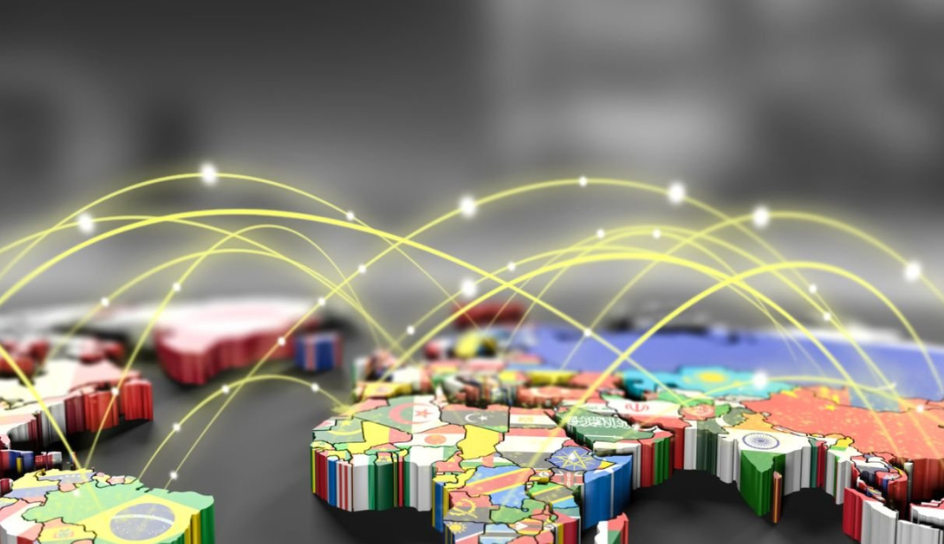
International Generic Medicine Market
What are Generic Medicines?
Generic medicines are affordable alternatives to brand-name drugs, offering the same active ingredients and therapeutic effects at a fraction of the cost. This cost-effectiveness is essential for healthcare systems worldwide, providing patients with quality treatment options.
Government Regulations and Safety:
While generic medicines in India may vary slightly from brand-name drugs in terms of formulation and packaging, their safety and effectiveness are rigorously tested. Regulatory bodies like the FDA ensure that these medicines meet global standards, making them a reliable choice.The Birth of a Giant: India’s Rise as a Global Supplier
After independence in 1947, India’s pharmaceutical landscape was dominated by foreign companies. Today, however, India is a major global supplier of generics, largely due to initiatives like the Pradhan Mantri Bhartiya Jan Aushadhi Pariyojana (PMBJP), aimed at offering affordable generic medicines across the country. Additionally, Ayushman Bharat PM-JAY provides health coverage for millions, ensuring access to critical healthcare.India- The “Pharmacy of the World”: India now holds a 20% share in the global generic drug market, securing its place as the largest provider. Indian generics supply 40% of medicines in the U.S., 25% in the U.K., and over 60% of global anti-retroviral treatments, illustrating their essential role in global healthcare.
Global Leadership and Expansive Export Reach:
India commands a robust 20% share of the global generic drug market, firmly establishing itself as the top international supplier. As the largest exporter of generics, India meets over half of the worldwide demand, solidifying its pivotal role in making essential, affordable medicines accessible to millions across various continents, from Asia and Africa to the Americas.
Global Reach and Humanitarian Impact:
Indian generics are widely recognized for their quality and affordability, making them a popular choice in cost-conscious markets. Key export destinations include the U.S., the EU, African countries, and numerous Asian nations, ensuring that Indian medicines reach those who need them most.
Regulatory Framework for Quality Control:
India’s dedication to quality is reinforced by stringent regulatory measures. The Indian Pharmacopoeia (IP) is regularly updated to align with global standards, while the Drugs and Cosmetics Act ensures the quality, safety, and effectiveness of pharmaceuticals. These regulations foster trust in Indian generics on a global scale.
Quality Assurance in Manufacturing:
Indian pharmaceutical companies maintain high-quality standards, adhering to Good Manufacturing Practices (GMP) and stringent quality checks to guarantee the safety of their products.
India’s Export Reach:
Making Global Healthcare Accessible
Indian generic medicines have garnered widespread international recognition, with pharmaceutical companies producing high-quality, affordable alternatives that are readily accepted in global markets. The success of Indian generics largely hinges on competitive pricing, enabling them to secure a robust market share, particularly in regions with budget-conscious healthcare systems or where access to costly brand-name medications is limited.
As a prominent generic medicine supplier, India plays an essential role in fulfilling healthcare needs across diverse global populations. Key export markets for Indian pharmaceuticals include the United States, the European Union, Africa, and various Asian countries. The U.S., with one of the largest pharmaceutical markets worldwide, is especially significant for India’s export strategy, further establishing India’s position as a vital contributor to global health.
Challenges in the Generic Medicine Sector: India’s generic medicine industry faces challenges, including:
Increasing Competition: Global players are intensifying competition, impacting market share and pricing.Regulatory Compliance: Adhering to complex regulatory standards across different countries is challenging.
Counterfeit Medicines: Substandard products pose health risks and can damage industry trust.
R&D Investment: Lower research and development spending impacts innovation and competitiveness.
- Opportunities for Growth: Despite challenges, India’s generic medicine industry holds significant opportunities:
- Growing Demand: Rising demand for affordable medicines globally offers vast export potential.
- Innovation and Partnerships: New investments in biopharmaceuticals and biosimilars enable Indian companies to diversify and expand.
- Price Control and Affordability: Government initiatives to control essential drug prices make generic medicines accessible to all.
Future Outlook for India’s Generic Medicine Industry:
By 2030, India’s pharmaceutical industry is expected to reach a valuation of USD 130 billion, driven by affordable medicines, an aging population, and a skilled workforce. The global generic market is also forecasted to reach $705.1 billion, with India’s contribution expected to remain substantial, securing its reputation as the world’s “pharmacy.”
India’s progress in generic medicine production has established it as a vital player in the global generic medicine supply. As it continues to innovate and expand, the nation’s commitment to affordable, high-quality healthcare only strengthens its position in the world.
Why is India called the “Pharmacy of the World”?
India is called the “Pharmacy of the World” because it is one of the largest suppliers of affordable generic medicines globally and exports pharmaceutical products to more than 200 countries.
What are generic medicines?
Generic medicines are affordable alternatives to branded drugs that contain the same active ingredients, dosage, effectiveness, and safety standards as original medicines.
Are Indian generic medicines safe?
Yes, Indian generic medicines are considered safe and effective. They are manufactured under strict quality standards and regulated by organizations such as CDSCO, WHO-GMP, and the U.S. FDA.
Which countries import medicines from India?
India exports medicines to major global markets, including the United States, the United Kingdom, the European Union, Africa, Asia, and Latin American countries.
Why are generic medicines cheaper than branded medicines?
Generic medicines are cheaper because manufacturers do not spend heavily on drug discovery, clinical trials, and large-scale marketing activities.
What is the Jan Aushadhi Scheme?
The Pradhan Mantri Bhartiya Jan Aushadhi Pariyojana (PMBJP) is a government initiative that provides affordable generic medicines through Jan Aushadhi Kendras across India.
How large is India’s pharmaceutical industry?
India’s pharmaceutical industry is expected to reach a valuation of approximately USD 130 billion by 2030 due to growing exports and increasing global demand.
What challenges does India’s generic medicine industry face?
Major challenges include rising competition, counterfeit medicines, regulatory compliance issues, dependence on APIs, and limited R&D investment.
How does India maintain medicine quality standards?
India follows strict pharmaceutical regulations, including GMP guidelines, the Drugs and Cosmetics Act, Indian Pharmacopoeia standards, and international compliance systems.