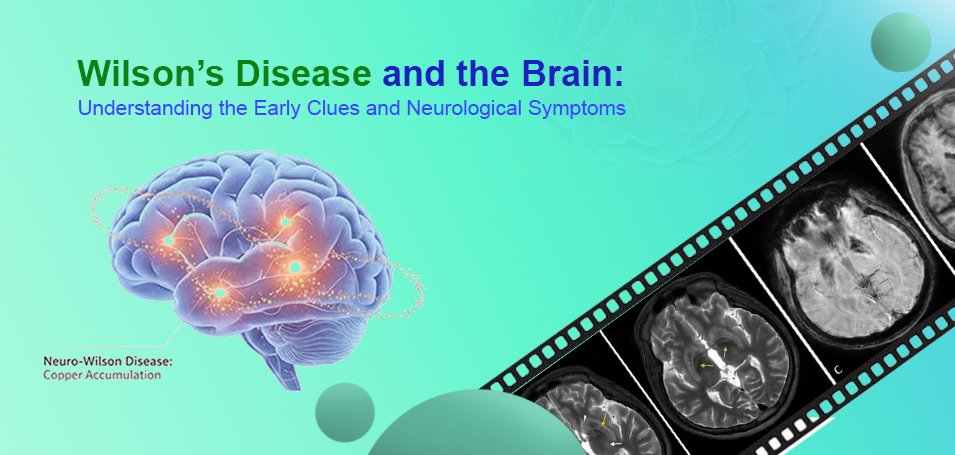


Wilson's disease is a rare genetic disorder. It is caused by a mutation in the ATP78 gene, which regulates copper transport in the body. Excess copper is usually filtered by the liver, but in Wilson's disease, the process is disturbed, and copper starts to accumulate in the important organs of the body. When we talk about Wilson’s disease, most people immediately think of liver problems. But what often goes unnoticed is how deeply this condition can affect the brain.
For many patients, the neurological signs become the first real indicator that something is wrong, even before the liver damage is recognized. Understanding these early symptoms can make a life-changing difference.
Wilson’s disease is a genetic disorder in which the body loses its ability to remove excess copper. Normally, copper is filtered by the liver and excreted in bile, but in Wilson’s disease, this system fails. Extra copper slowly accumulates in organs, especially the liver, eyes, and brain.
When copper begins depositing in the brain, particularly in areas like the basal ganglia, which help control movement and coordination, it disrupts how neurons communicate with each other. Over time, this buildup leads to motor problems, emotional changes, and cognitive symptoms that can easily be mistaken for psychiatric or other neurological disorders.
This is why many young patients are initially misdiagnosed with conditions like depression, anxiety, or dystonia. Missing the early clues can delay treatment and increase the risk of long-term damage.
The early brain-related symptoms of Wilson’s disease often appear subtly. They may mimic stress, personality changes, or depression. The following are the major brain affections of Wilson's disease
Changes in Mood and Behaviour: One of the earliest red flags is a sudden shift in personality or emotional stability. People may experience:
These symptoms can look like typical psychiatric issues, but in Wilson’s disease, they are often early signs of copper accumulating in the brain.
Tremors and Movement Difficulties: A very common early symptom of affection is tremor. For some, it’s a mild shaking of the hands; for others, it intensifies as “wing-beating” movement when their arms are stretched out.
Other movement-related symptoms include:
These issues tend to progress unless treatment begins early.